

What deeper problem are you addressing?
The new energy laws compel fossil fuel use reduction driven both by climate change mitigation objectives and geopolitical concerns related to energy resource security. According to the Federal Statistical Office (FSO), 75-80% of energy consumption for residential sector buildings in Switzerland comes from heating and hot water use, and most heating is fossil fuel feed using oil and gas. Additionally, upward of 60% of all dwellings are in the form of PPE condominiums (propriété par étages / stockwerkeigentum) a form of collective ownership in which individual owners hold exclusive rights to their private unit while jointly owning and managing the building’s common elements (e.g., structure, roof, corridors, and technical infrastructure).
Today, heating systems are led by market-driven utilities and treated as third-party decisions, even though they are part of large, shared urban infrastructure. This creates a systemic lock-in where collective citizen-led community solutions (like district heating) are challenging to pursue due to fragmented ownership, unclear responsibility, and unclear financing options for collectives in order to comply with the energy laws. Mixed-ownership neighbourhoods (condominiums, elderly owners, low-income residents) face structural barriers to collective investment due to insufficient financing tools and unclear liability structures. Citizens are end-users, not co-designers or co-owners of these systems.
Problem: Governance models for citizen-led district heating renovation projects involving existing PPEs do not exist in Switzerland.
Legal frames for electricity exist in the form of local electricity communities such as CEL (LEG in german), RCP (ZEV in German) and RCPv (vZEV in German), which remain institutionally and functionally distinct from thermal/heat energy governance, particularly for renovation projects.
Which habits or practices do you want to change — and how?
The Swiss energy legislation primarily assigns responsibility to property owners, rather than to intermediary public or private actors, for the development and implementation of compliance solutions. In the Swiss context, particularly in Romandy, institutional and cultural preferences tend to favour authority-driven approaches, with established trust placed in actors such as cantonal energy agencies and municipalities. While citizen-led initiatives are legally feasible, their uptake remains constrained by limited familiarity with alternative governance arrangements and a generally cautious disposition toward institutional experimentation.
We hope to address such barriers to social acceptance by providing detailed options to frame ownership, liability, decision-making and financing. These options will be informed by local and international best practices, with the objective of facilitating the operationalization of citizen-led energy governance models.
What do you want to work on during the booster — and what do you want to find out?
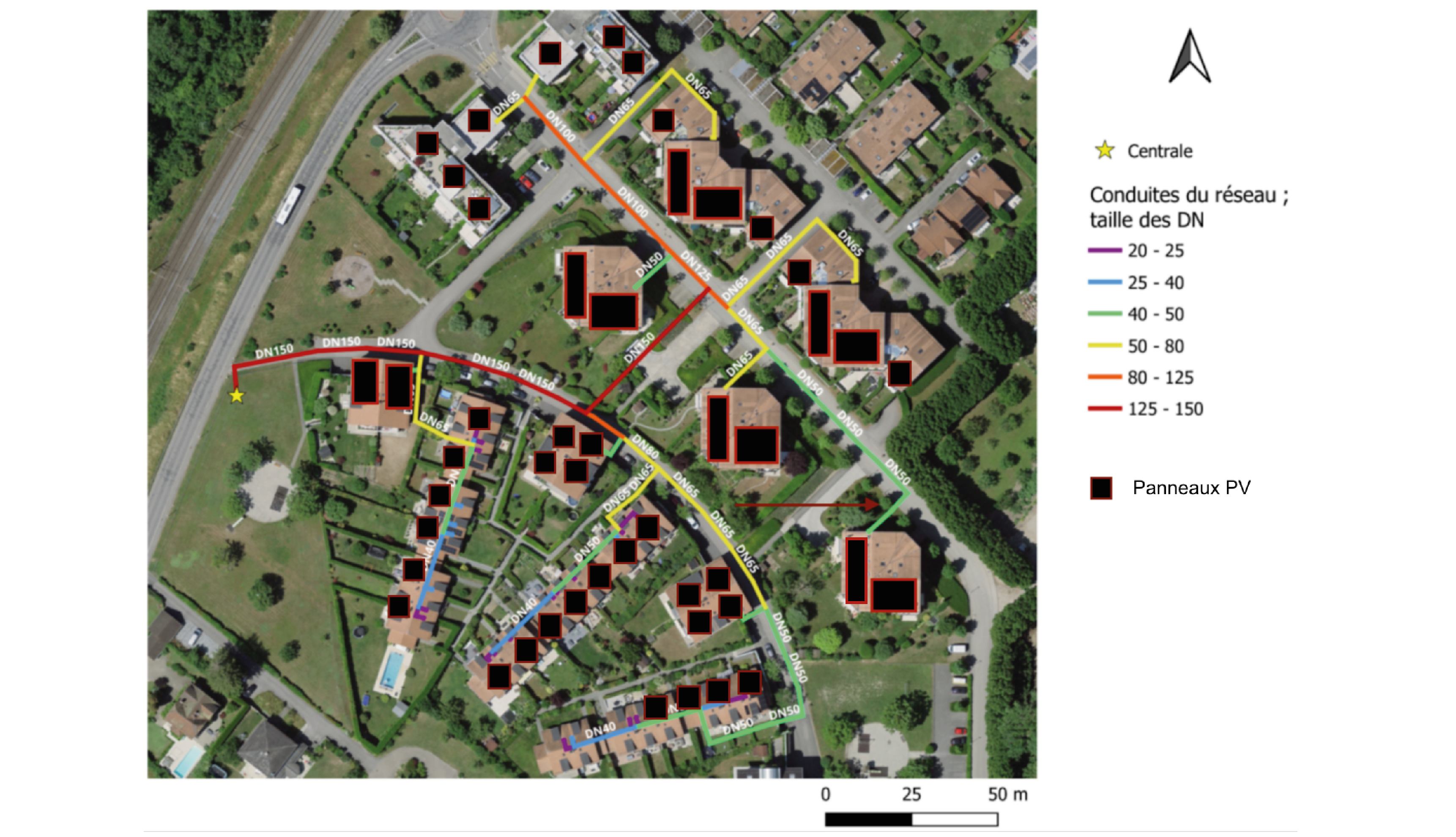
We want to build a prototype of socio-legal models (ownership, financing, liability, governance) that turn district heating/cooling and common solar PVs into a viable collective solution by enabling residents to co-own, co-govern, co-finance and designate responsibility for energy infrastructure as a collective solution.
Specifically we want:
- to study local and international best practice for both governance and financing options by identifying enabling institutional conditions, regulatory constraints and legal entry points; and
- to develop a model with clear co-ownership, liability, decision-making and financing structures that integrates or otherwise bridges the electricity and heating legal frameworks into one structure.