

What deeper problem are you addressing?
Local Electricity Communities (LEC) allow electricity grid users to “trade” electricity at local scale. In theory, participants can thus settle on a profitable price for both producers and users, essentially enabling a slight economic improvement in the profitability of solar PV installations. However, this comes at the expense of significant administrative burdens (managing data and bills) while it does not necessarily generate concrete changes in electricity and grid usage that would have positive environmental impacts. What is more, the economic revenue and psychological benefits of locally sourced green electricity may lead to rebound effects – i.e. enable environmentally detrimental further investments and activities.
On the other hand, managing LECs involves collectively handling energy data (by law DSOs should provide load curves by metering point, on top of which technical data and load curves of existing PV infrastructure, heat pumps, and other equipment can be collected). This provides a basis for ambitious forms of knowledge-sharing and coordinated decision-making, enabling individual and collective measures in the energy transition (e.g. aggregation of flexibility, shared generation capacity, prioritizing equipment investment, pooling purchases etc.).
The ongoing project of enessert seeks to operationalize such coordination by channeling part of the benefits generated within the LEC to the financing of a cooperative legal entity. This entity is intended to act as a governance platform to manage energy as a commons. This feeds into most challenges identified by the call, more particularly:
- designing socially fair, inclusive energy communities
- translating abstract goals into meaningful everyday practices
- developping new professional roles
Which habits or practices do you want to change — and how?
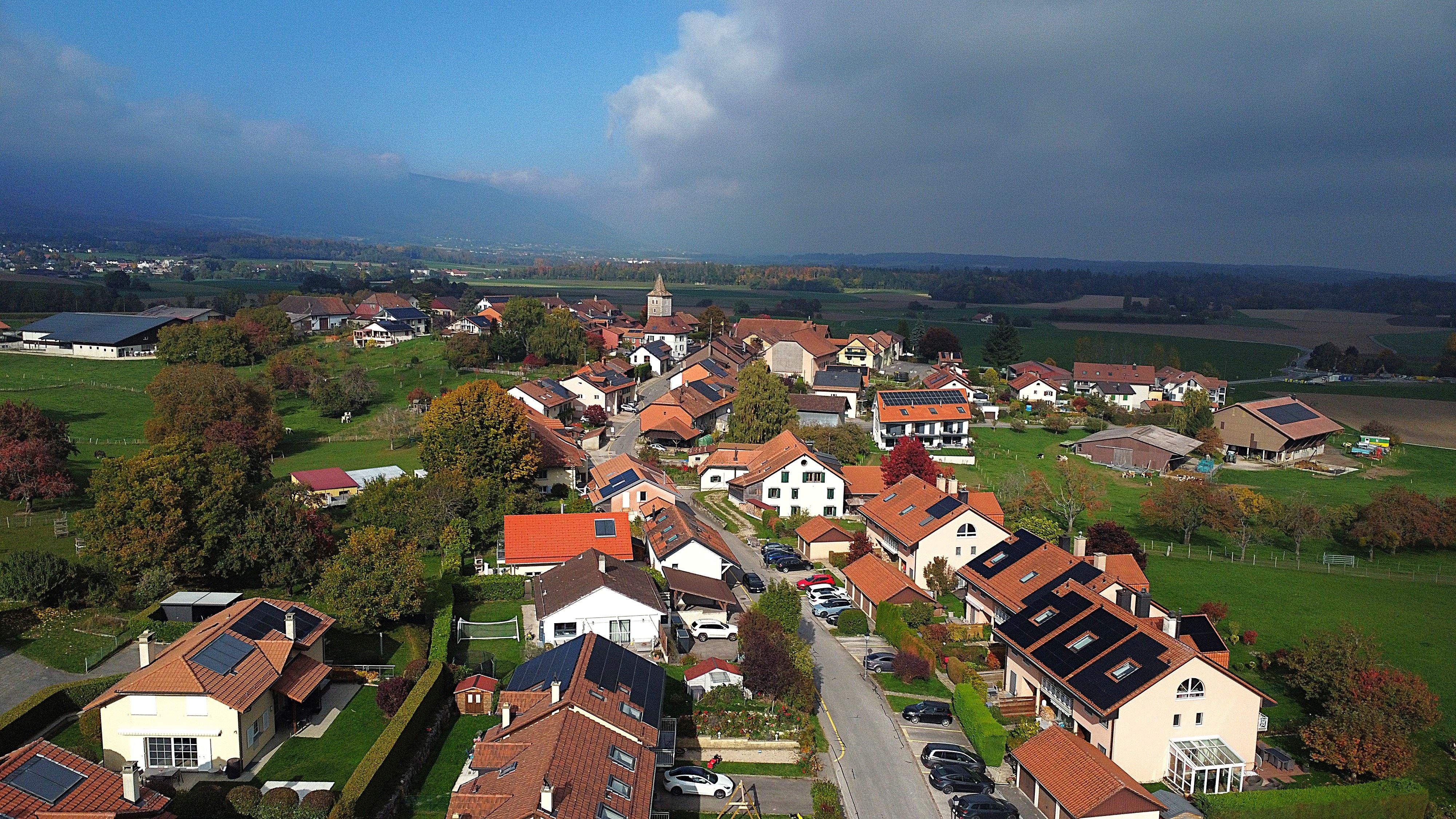
LECs make system-level challenges tangible at local level. For instance, the current overload of solar power in the European grid, sometimes leading to negative prices, is reflected in the saturation of PV production within the LEC. We aim to enhance this effect by providing the appropriate data, information and knowledge to LEC participants, at the appropriate times and through appropriate media, in order to foster practice changes.
We thus aim to transform everyday energy use from individual, convenience-driven choices to collective, coordinated practices aligned with local renewable production. This involves shifting when electricity is used and how decisions are made, moving from isolated choices to collective planning on usage and investments. More fundamentally, energy is reframed as a shared local resource (a commons), fostering social norms around efficient and sufficient use.
To enable this, we combine local energy data with participatory formats such as workshops, audits, and neighbourhood discussions. We rely on the cooperative structure to build trust and proximity and to anchor these practices in a durable governance framework, making system challenges tangible and actionable.
What do you want to work on during the booster — and what do you want to find out?
The booster feeds into the ongoing LEC setup process, led by enessert, whereby a LEC constitution with a core group of 18 “early-adopters”/testers is effective since 1st of May. We are currently setting up a prototype for data treatment, based on open-source tools (already experimented by a partner solar cooperatives) in order to issue the first bills in July. After this test phase, the LEC as well as the associated tools and services will be open to the public at municipality level in September and open to neighboring municipalities early 2027. The objective is to reach an economic break-even point (around 1000 members) early 2028.
Under the booster, we will leverage this, otherwise purely administrative, work towards community engagement by:
1) Developping the data analysis capability of the cooperative in view of directly informing energy-related projects
2) Designing sensitization and counseling services to encourage and help participants to adapt their practices and choices for positive environmental impact
3) Monitor the uptake of these data and services, in view of making the LEC a collective transition space (rather than an individual economic choice).
Point 3 is crucial for the success of the entire project, since the viability of the LEC and associated services depends on a wide uptake by the population. This means that the services and surrounding narratives need to strike a balance between genuine ambition and pragmatic consensus. By speaking to rather intuitive and shared values of local consumption and self-sufficiency/individual responsibility, the LEC format offers good potential for this discussion.