
We promote climate-just social innovations - in 2026 with a focus on food and energy.
Twelve projects were selected, each to receive funding of up to 22,500 CHF.
This year, three insights from the first two FUS years guide us: First, social innovation must be positioned as a necessary complement to technical innovation. Second, we prioritize topics that create tangible added value in people’s everyday lives. Third, we focus more strongly on where innovation is scaled and anchored, namely in partnerships between the state, the market, and civil society.
For the areas of energy (a cross-section of housing and mobility), and food, we are launching two new Missions:
Our programme will enter its final year of funding in 2027.
We are currently preparing the last two missions of our four-year programme. And we are already in the midst of intensive discussions.
Together with the City of Lugano, Living Lab Lugano and other key stakeholders in Ticino, we are developing a nationwide innovation mission with a regional focus centred on the City of Generations.
The Roadmap
Call for Challenges: expected November 2026
Call for Ideas: January 2027
Deadline for project proposals: 31 March 2027
Project duration: mid-April to mid-October 2027
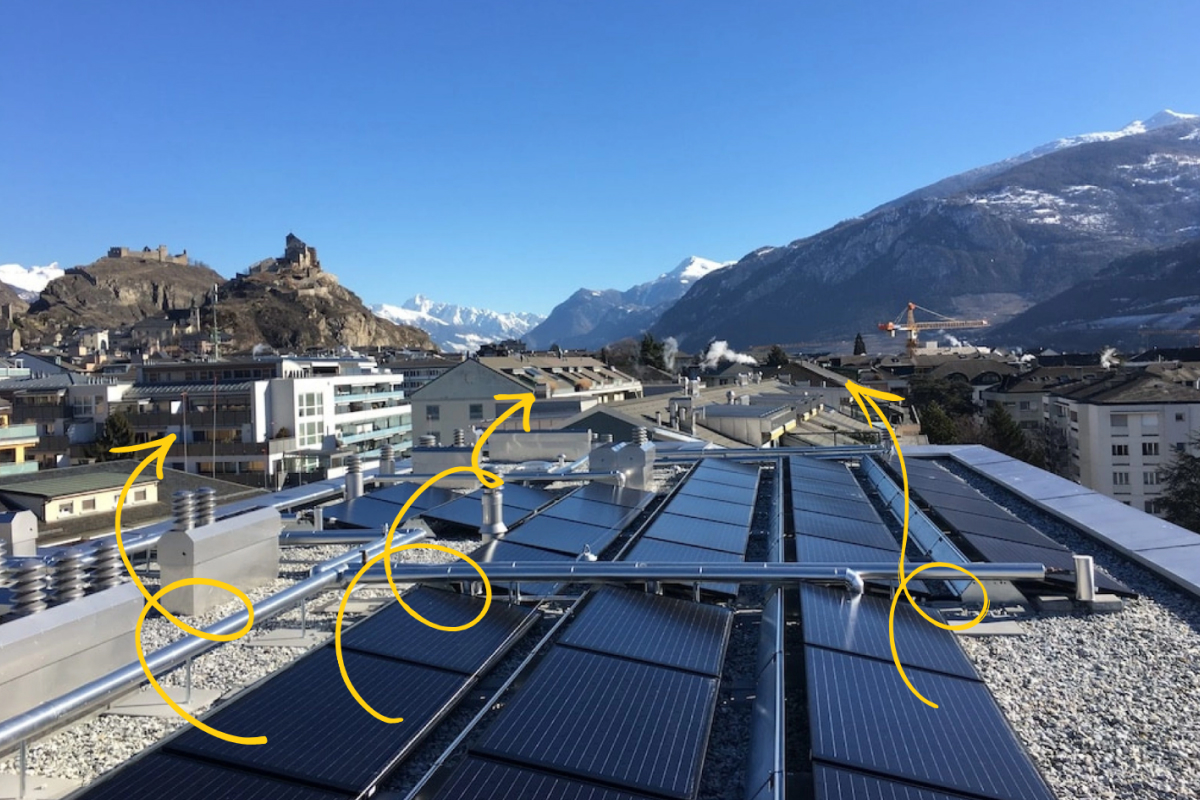
The momentum surrounding the Electricity Act (LEGs since 2026) opens up new spaces. However, the successful spread of local electricity communities requires more than technology.Sustainable energy communities are also social innovations. They redefine who can participate in the energy transition, who benefits from it, and who takes responsibility.
What is needed for energy communities to enable many people to actively and concretely benefit from the energy transition? How can they become easily replicable and investable? Energy communities have the potential to strengthen Switzerland’s independence and security while creating local value. We are looking for social innovations that help energy communities achieve a breakthrough.

In this Call, we do not see good food primarily as a matter of individual choice. We understand Good Food for All as a question of social infrastructure that connects health, justice, biodiversity, and climate. Despite a dynamic ecosystem of initiatives and projects for more sustainable nutrition, transformative approaches rarely move beyond niche applications.
With this Mission, we create an experimental space for new forms of shared responsibility that move us decisively closer to good food for all. We are looking for regional teams from the public sector, market, and/or civil society that jointly enable good food, for example, through new fund models or by connecting procurement systems with regional production and distribution structures.
We conduct interviews, gather online input, and host short workshops to jointly identify the core challenges within the Missions. For this, we bring together people and experiences from practice, research, and administration. The goal is to build a shared understanding of the problem and to formulate clear challenges as the starting point for solution development.
The identified challenges form the basis for developing and refining initial solution approaches. In workshops, we bring together people with different roles, test initial ideas, combine approaches, and foster the creation of new teams. The goal is a robust project idea with a clear link to one of the identified challenges, suitable partners, and realistic goals for a potentially funded idea phase.
